If your boiler pressure keeps dropping, it can be worrying, especially when the heating or hot water starts playing up. The good news is that many pressure issues are straightforward to understand, and there are a few safe checks you can do before calling a professional.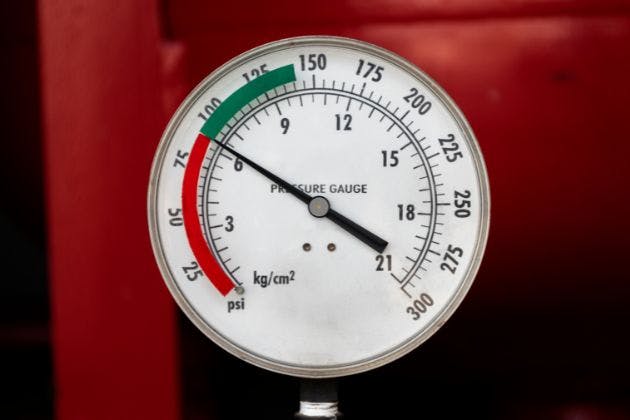
How boiler pressure works in simple terms
Most modern boilers are sealed systems that rely on the right level of water pressure to move hot water around your radiators and pipes. Too little pressure and the system struggles to circulate heat; too much and safety devices step in to protect the boiler.
Your boiler will usually have a pressure gauge on the front of the boiler or nearby pipework. The manufacturer will state a normal “cold” pressure range in the user manual, and another range for when the system is hot and running.
Common reasons boiler pressure keeps dropping
There are several everyday causes of low boiler pressure, some minor and some that need a Gas Safe engineer. Understanding these can help you decide what to check and what to leave to a professional.
Small leaks on radiators, valves or pipework
One of the most frequent causes is a tiny leak somewhere in the heating system. It may not be obvious, as slow drips can evaporate quickly or leak under floors where you cannot see them.
Look for rust marks, staining or flaking paint near radiators and valves
Check around visible pipes for damp patches or green/white crust on copper joints
Have a feel (carefully) around radiator valves and bleed points for moisture
Any sign of a leak is a cue to stop topping up the pressure repeatedly and arrange a boiler repair. Constantly adding water can shorten the life of the system.
Pressure relief valve discharging water
The pressure relief valve (PRV) is a safety device that releases water if the pressure gets too high. If it has operated once, it can sometimes fail to reseal properly and then slowly drip.
There is usually a copper pipe running from the boiler to outside. If you notice water marks or damp patches beneath it, the PRV could be letting water out and causing the pressure drop. A Gas Safe engineer should check and replace this if needed.
Faulty or flat expansion vessel
The expansion vessel absorbs the natural expansion of water as it heats up. If the internal air charge is lost, pressure can rise too high when hot, trigger the PRV, then fall again once the system cools.
Typical signs include pressure rising a lot when the heating is on, followed by very low pressure when the system is off. Recharging or replacing an expansion vessel is a job for a qualified engineer, as it involves working inside the boiler.
Filling loop left open or not fully closed
The filling loop is used to top up pressure from the mains water supply. It usually has one or two small taps or levers. After topping up, these must be fully closed.
If a valve is slightly open, pressure may increase too high while in use, then drop as the PRV discharges excess water. Make sure both ends of the filling loop are fully off once you have finished repressurising.
Recent radiator bleeding and normal temperature changes
If you have recently bled your radiators, you have removed air and allowed more water into the system, which can cause the gauge to fall slightly. A small top up afterwards is often expected.
It is also normal for pressure to read lower when the system is cold and rise when the heating has been running. A gentle rise is fine; what you are looking for is a steady, ongoing loss over hours or days.
Safe step-by-step checks you can do
Before touching anything, check your boiler manual. If you are at all unsure or uncomfortable, stop and call a Gas Safe registered engineer instead.
1. Read the pressure gauge
Locate the gauge on the boiler or nearby. Note the reading when the system is cold and again after the heating has been on for a while.
Your manual will show the recommended ranges for cold and hot operation. If the needle is very low and the boiler is showing a low pressure fault, it may need topping up.
2. Check for obvious leaks
Walk around the house and look at each radiator, valve and visible pipe. Check under the boiler, around joints, and near any exposed pipework.
If you see ongoing drips, damp patches, or water anywhere near electrical components, turn the boiler off and call an engineer immediately.
3. Topping up using the filling loop (if you feel confident)
Only do this if your manual shows a user filling loop and you feel comfortable following the instructions. Never guess the procedure.
Generally, you will slowly open the filling loop tap or taps until the gauge rises into the recommended cold range, then close both taps firmly. Do not overfill, and never leave the loop open when finished.
4. Recheck after 24 hours
Once you have topped up, run the heating and hot water as usual. Make a note of the pressure reading after heating, and again next day when cold.
If the pressure has dropped noticeably again, especially more than once, you likely have an underlying fault that needs professional attention.
When you should call a Gas Safe engineer
Some pressure issues are not for DIY. For your safety and to protect your boiler, contact a Gas Safe engineer if any of the following apply:
Pressure keeps dropping even after a careful top up
You can see water leaking from the boiler casing or near electrics
The boiler shows repeated error codes related to pressure
You suspect a faulty PRV or expansion vessel
Persistent pressure loss is a strong sign that a boiler repair visit is needed rather than repeated topping up.
What to tell the engineer to speed things up
Providing clear information helps the engineer diagnose the problem faster and arrive with the right parts. Before your appointment, make a few notes.
Key details to share include the boiler make and model, how often the pressure drops, and whether it falls quickly within hours or slowly over days. Mention any fault or error codes on the boiler display, and anything you have already tried, such as bleeding radiators or topping up via the filling loop.
Repair now, prevent problems later
Once the immediate issue is fixed, regular boiler servicing can catch developing faults like expansion vessel problems or minor leaks before they affect pressure. An annual service also keeps your boiler running safely and efficiently.
If you are in the Milton Keynes area and your boiler pressure keeps dropping, it is best not to ignore it. Book a boiler repair visit with B.Brill Plumbing & Heating LTD on 01908410370 or fill out our contact form for friendly, professional help, and ask about ongoing servicing to keep your system in good shape.