
A boiler is one of the hardest-working systems in any home, providing heating and hot water throughout the year. Because it runs quietly in the background, it is easy to miss the early signs that it may be reaching the end of its useful life. Understanding when replacement is the sensible option can help you avoid unexpected breakdowns, rising running costs, and unnecessary disruption during colder months.
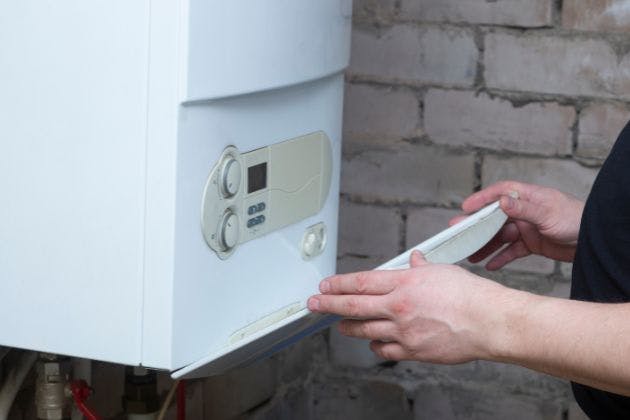
7 Signs It’s Time to Replace Your Boiler
Boiler Age and Outdated Technology
Most boilers are designed to last around 10 to 15 years. Once a system reaches this stage, efficiency levels tend to drop, and the risk of faults increases. Older boilers were built to different standards and do not benefit from modern efficiency controls, improved heat exchangers, or advanced safety features. Even if an older boiler still works, it may be using far more energy than necessary to heat your home.
Increasing Energy Bills Over Time
A gradual rise in energy bills without any change in how you use your heating is often a sign that a boiler is losing efficiency. Internal components wear down over time, meaning the system has to work harder and burn more fuel to deliver the same level of warmth. Replacing an inefficient boiler can significantly reduce energy usage and improve overall heating performance.
Ongoing Repairs and Reduced Reliability
An occasional repair is normal, but repeated faults usually indicate deeper issues within the system. If your boiler needs regular call-outs or replacement parts, the costs can quickly add up. At this point, investing in a new boiler often provides better value and long-term reliability compared to continuing repairs on an ageing unit.
Inconsistent Heating and Hot Water Problems
If radiators heat unevenly, hot water temperatures fluctuate, or there are long delays before water heats up, your boiler may be struggling to cope with demand. These issues can worsen over time and affect comfort throughout the home. In many cases, they point towards internal wear that is not easily resolved with minor repairs.
Unusual Noises and Visible Warning Signs
Boilers should operate quietly. Persistent banging, whistling, or gurgling noises can suggest problems such as pressure issues, scale buildup, or failing components. Visible signs like leaks, corrosion, or frequent pressure loss should never be ignored, as they can indicate that the boiler is no longer operating safely or efficiently.
Difficulty Sourcing Replacement Parts
As boiler models age, manufacturers may stop producing replacement components. When parts become difficult to source or expensive, repairs take longer, and reliability becomes uncertain. This is often a strong indication that replacing the boiler is the most practical option.
Safety and Compliance Considerations
Modern boilers are designed with enhanced safety systems and improved controls. Older units may not meet current standards, particularly if they have not been upgraded over time. Replacing an outdated boiler can provide added peace of mind, especially for households with children or elderly residents.
Thinking About Replacing Your Boiler in Milton Keynes, Newport Pagnell, and Bletchley?
If your boiler is showing signs of age or becoming unreliable, B.Brill Plumbing & Heating offers professional advice and replacement services across Milton Keynes, Newport Pagnell, and Bletchley. Call us on 01908 410370 or 07825 887710, or fill out our contact form to schedule an assessment and discuss the best option for your home.