If one radiator stays cold even after you have bled it, a stuck radiator valve could be stopping hot water from circulating. The fault may involve the thermostatic radiator valve (TRV), the lockshield valve, or another central heating issue that produces similar symptoms.
With a few careful checks, you can often narrow down the problem without dismantling the heating system. However, valves and pipework can be fragile, so avoid forcing anything that does not move freely.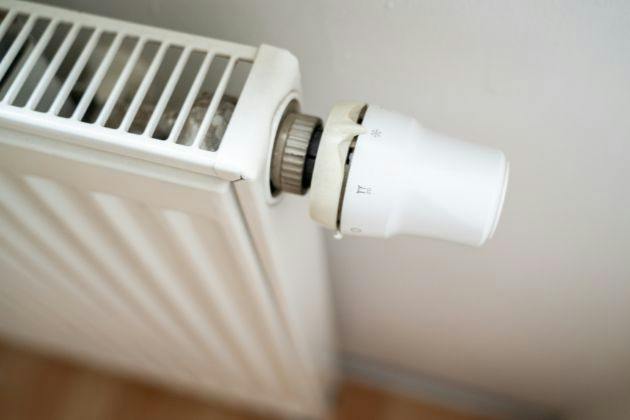
Check the radiator and its pipes first
Turn the heating on and allow enough time for the radiators to warm up. Carefully feel the two pipes connected to the cold radiator, taking care around hot surfaces. The temperature pattern can provide a useful first clue.
Radiator cold, one pipe hot: the TRV may be stuck closed, or the lockshield may be shut or badly adjusted.
Radiator and both pipes cold: the valve may be closed, the system may need balancing, or there could be an airlock or circulation problem.
Top cold with a cool area and gurgling: air may still be present, so switch off the heating and bleed the radiator when it is cool.
Bottom cold while the top is warm: sludge or poor circulation may be restricting heat across the radiator.
A TRV normally has a numbered head, often marked from 0 to 5, and controls the water entering the radiator. Some heads click as you turn them, but that sound does not prove the internal pin is moving. The pin underneath may have seized in the closed position after months without adjustment.
Freeing a stuck TRV pin safely
Before starting, switch off the central heating and let the radiator cool. Set the TRV to its highest setting, then remove the thermostatic head according to its fixing method. Some heads have a retaining ring or screw, while others release after loosening a small collar. Do not remove the valve body from the pipe.
Under the head, you should see a small metal pin. Press it gently with a suitable object, such as the flat end of a screwdriver, and check whether it moves down slightly before springing back up. It may be stiff, but it should not require significant force.
If the pin is reluctant to move, use light taps around the side of the valve body and try again. Never hammer the pin, grip it with pliers, or pull it out, as this can damage the valve and release water. Work it gently several times, then refit the TRV head, set it high and retest the radiator after the system has warmed up.
Check the lockshield valve and system balance
The lockshield valve is usually found at the opposite end of the radiator from the TRV. It is often covered by a plain cap and controls the flow balance through the heating system. If it has been closed accidentally, the radiator may remain cold even though the TRV is working.
Remove the cap only if it comes away easily and check whether the valve appears fully closed. Avoid making large adjustments or counting on memory, because the original setting may be needed to balance the system correctly. If several radiators have uneven temperatures, the system may need professional balancing rather than a simple valve adjustment.
When the valve is not the cause
Bleeding removes trapped air, but it will not correct a closed lockshield, a seized TRV or sludge inside the radiator. An airlock may cause gurgling, cold patches at the top and poor circulation, while sludge commonly leaves the bottom cold and may make the water dirty when a radiator is removed.
If several radiators are cold, the problem could involve the pump, boiler pressure, system controls or wider circulation fault. A single radiator that heats only partially may need balancing, whereas a radiator that stays completely cold with both pipes cool could indicate that no water is reaching it.
Where sludge is suspected, a power flush may help clean restricted pipework and radiators. This should be assessed by a qualified heating professional, as power flushing is not suitable for every older or weakened system.
Know when to call a heating engineer
Stop troubleshooting and arrange central heating repair if the valve is seized, water starts leaking, or the pin will not move with gentle pressure. Older systems may have fragile fittings, corroded valves or joints that can leak when disturbed.
Professional help is also sensible when multiple radiators are affected, the boiler pressure keeps falling, the pump is noisy, or you cannot identify the cause. A heating engineer can test circulation, check the controls and repair or replace the valve without causing further damage.
Preventing another stuck radiator valve
During warmer months, turn each TRV through its full range occasionally, then return it to the usual setting. This helps prevent the internal pin from remaining in one position for too long. Do not leave valves permanently untouched if a room is rarely used.
Ask for the heating system to be checked during an annual boiler service, including valve operation, pressure and circulation. Keeping the system topped up with the correct inhibitor can also reduce corrosion and sludge, provided it is suitable for your installation.
If one radiator remains cold after these checks, contact B.Brill Plumbing & Heating LTD on 01908410370 to book central heating repair. Prompt attention can restore heat efficiently and help prevent a small valve fault from becoming a wider heating problem.